THIS IS WHO WE ARE
Our people, our values, our work — and the community we are building together, with love and unity.
"Let your light shine before men in such a way that they may see your good works, and glorify your Father who is in heaven." — Matthew 5:16 (NASB)
Karibu — welcome. You are holding proof that a small community with faith, order and unity can change its own story. We are that community. This is our book.
Empower Impact Kenya CBO is not a project that arrived from somewhere else, carried by strangers with clipboards. We are the people of Nyangweso, in Homa Bay County, Kenya — farmers, pastors, parents, teachers and youth — who looked at our own community, saw both its riches and its needs, and put our hands together. What has risen here since then has surprised even us. This booklet tells you who we are, what we believe, what we are doing, and what we are becoming — and it ends with an open invitation: read it, and then come and stand with us.
Everything in these pages is written plainly, the way we try to live: what is built, we say is built; what is planned, we say is planned. Judge us by our fruit.
Empower Impact Kenya CBO is a registered Community-Based Organization serving Nyangweso and the wider Homa Bay region. We were registered with the Republic of Kenya on 13 July 2023 (Reg. No. DSD/43/247/02/204618; Certificate Serial No. CBO 03187, Homa Bay County) — a community organization in law, but a family in practice.
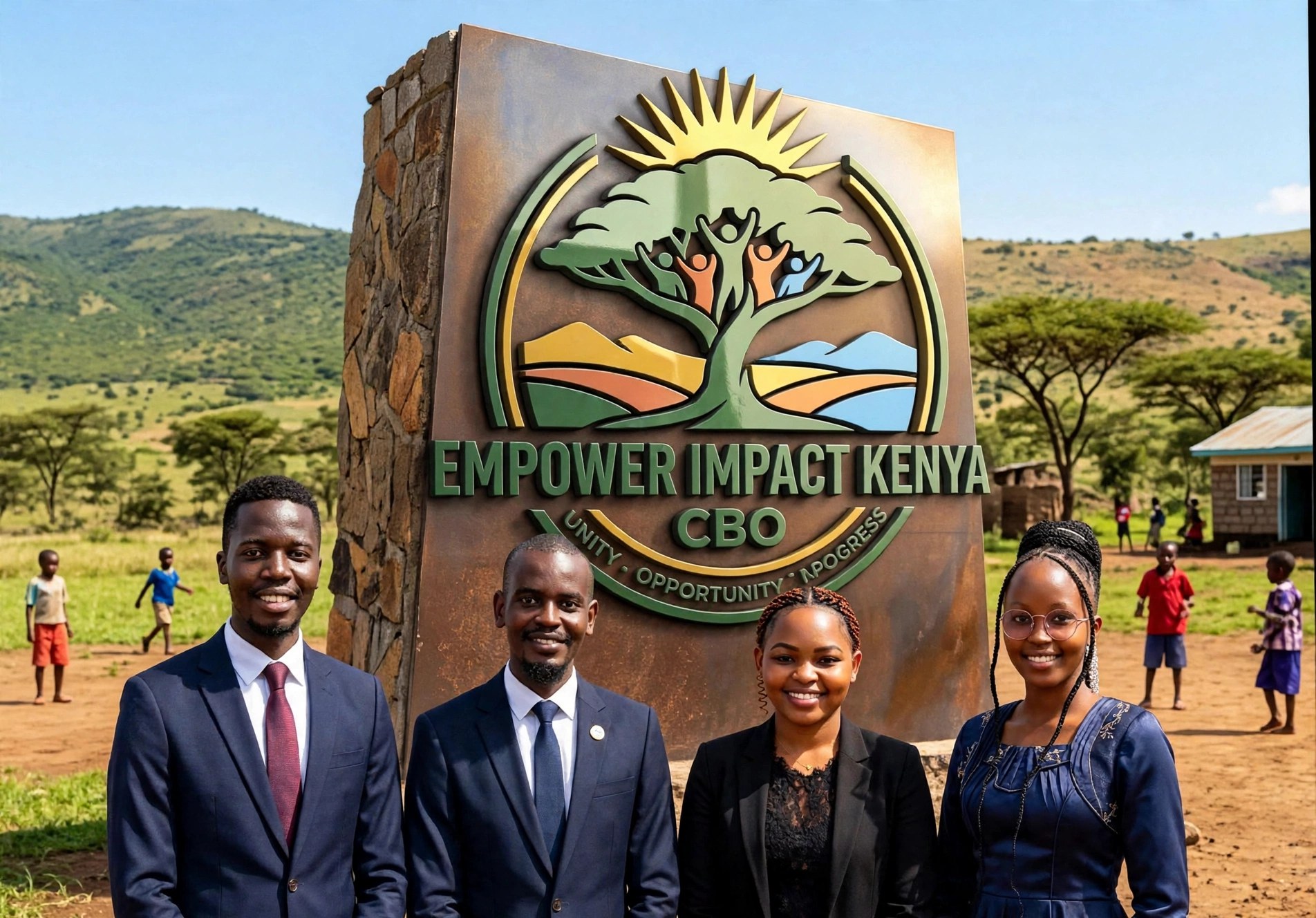
We are led by four officers, elected and accountable under our own Constitution:
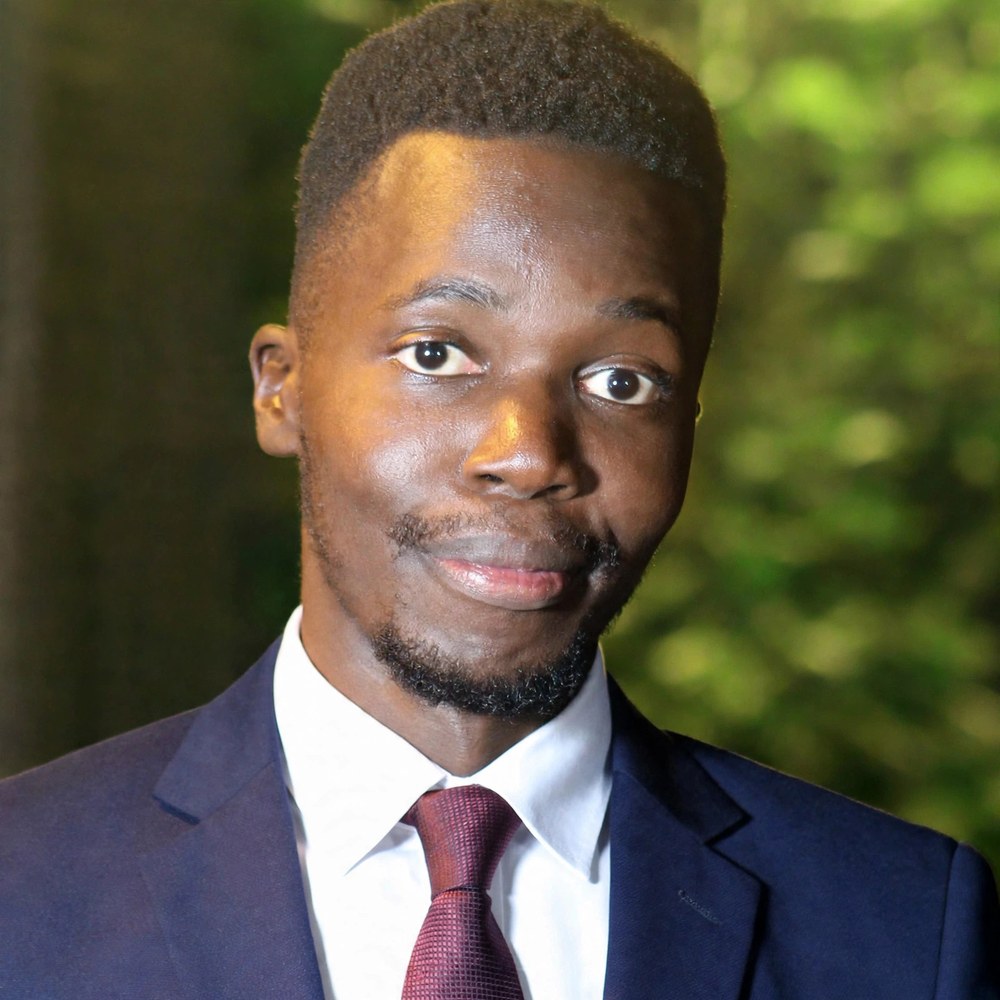
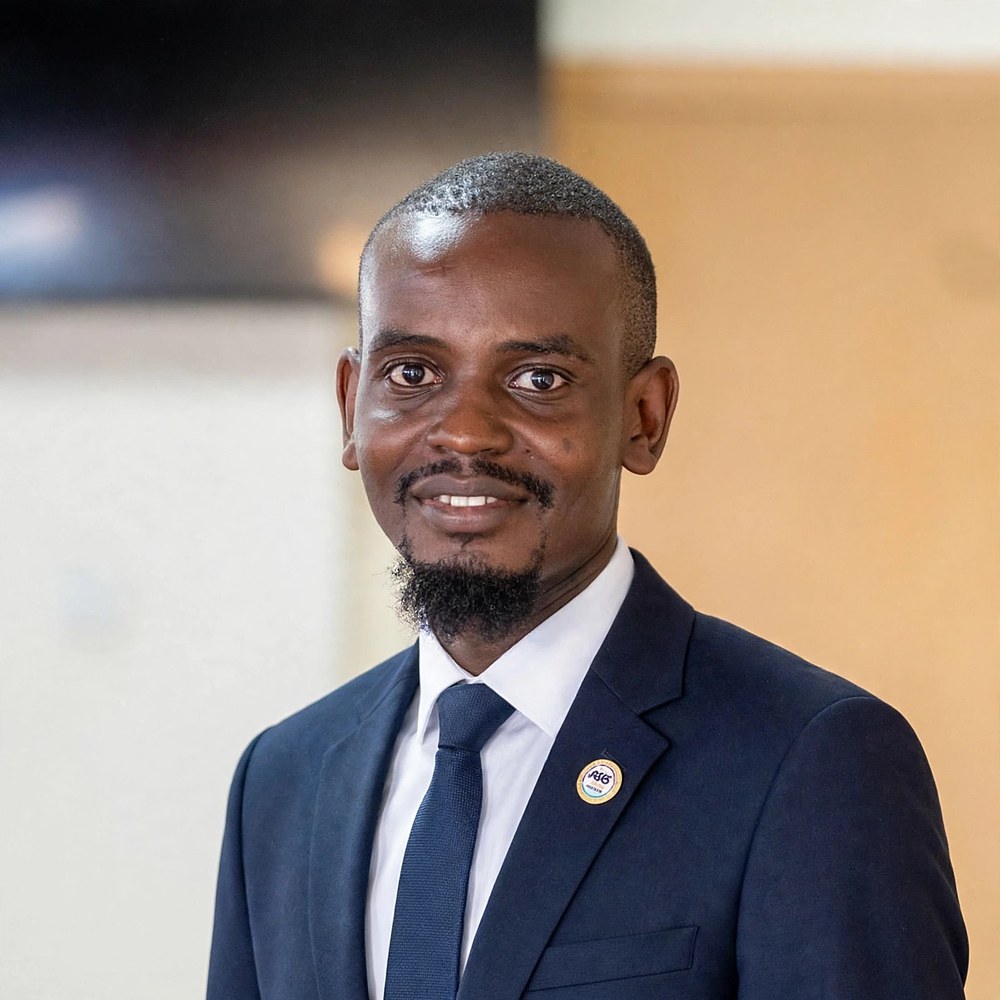
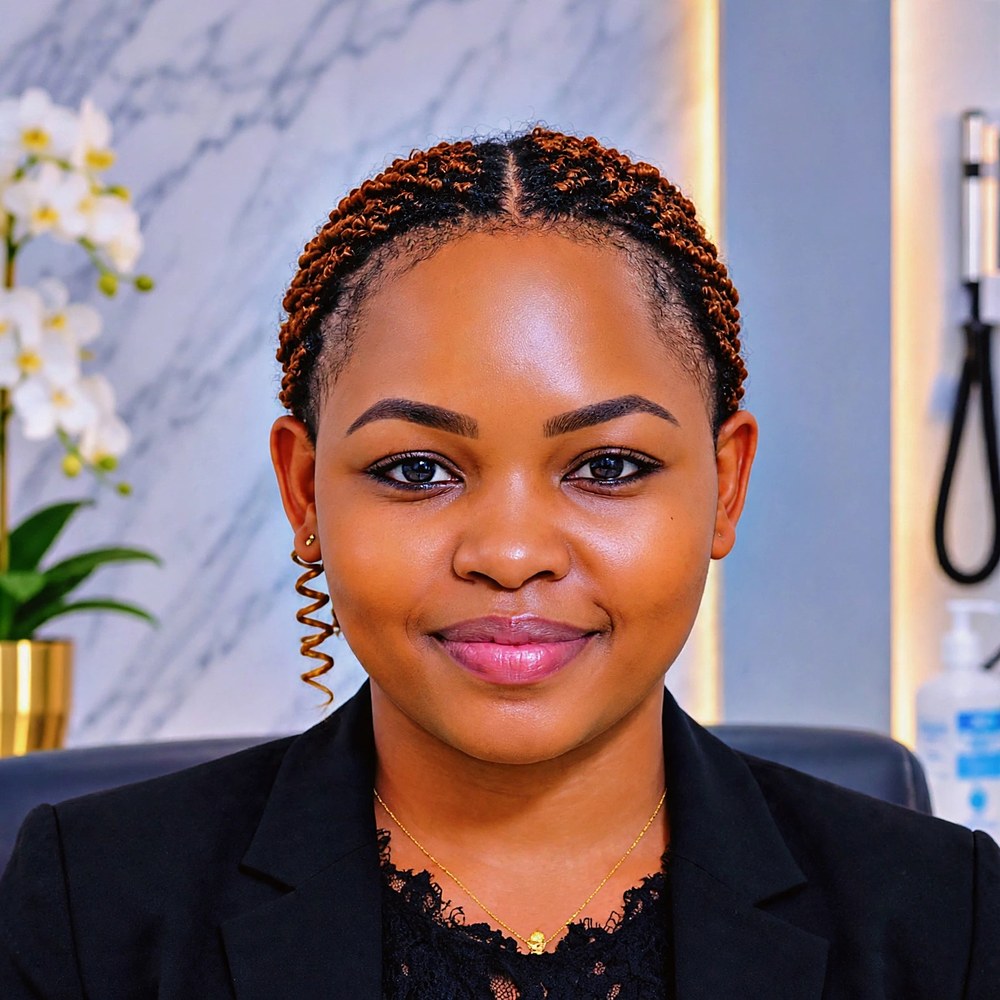

Around the officers stands the wider team: youth leaders, volunteers, farmers, and the mothers, fathers and elders of Nyangweso who give their time, their land, their skills and their prayers. Empower is, before anything else, people — local people, serving their own neighbors, in the place they call home.
Nyangweso is a farming community in Homa Bay County, not far from the shores of Lake Victoria — a place of red earth, maize and tomato fields, schoolchildren on morning paths, and families who know one another by name. Our work starts here, at home, and reaches outward: to Homa Bay town, Rangwe, Rodi Kopany, Kendu Bay and the wider region our businesses and programs serve.
Our full story — how a community with no budget and no buildings became what you see in this booklet, in roughly one year of building — is told in the next chapter, because it deserves to be told whole.
Roughly one year. That is the honest measure of this story — from nothing to now in about a year of building. Not a year of talking: a year of work.
We had a registration certificate — received in 2023 — and we had people. That was nearly the whole inventory. No budget. No buildings. No vehicle, no office full of equipment, no staff. Our first annual budget was written under a title that told the truth about us: Starting From Zero. What we did have could not be deposited in a bank: faith, neighbors who trusted one another, land to work, young people with energy, and a conviction that our community's future would be built by our own hands or not built at all.
We began by serving, because that is who we are before it is what we do. A youth group gathered — open to every young person, free to join. Feeding days brought the community to one table. Schoolgirls were supported with the hygiene supplies that keep them in class. And a small flock of chickens — the humblest beginning imaginable — kept growing past one hundred birds, teaching us daily lessons in faithfulness: feed every day, record everything, waste nothing.
Then came the decision this booklet keeps returning to: businesses first. We refused to build a CBO that lives from donation to donation, always one dry month from closing. Instead we examined our chicken work figure by figure — eggs, chicks, feed, manure, training, ten connected small businesses around one flock — until we had a real evaluation with real Homa Bay prices and an honest monthly profit on paper. The plan that came out of it has an order, and we keep the order: electricity first, then the coop expansion, the chick pen and the hatchery; then producing and selling at full strength; then proving it — records, receipts and community benefit documented — before any new business is built. One thing at a time, done properly, in the open.
A work that will outlive its founders needs bones. So we wrote them: a Constitution; a Financial Policy and money rules with three hands on every shilling; safeguarding for our children; and then a full set of nine governance policies — integrity, accountability, procurement, donations, social media, asset protection and more — read, debated, and signed by all four officers. In the same season our home on the internet was rebuilt page by page at empowercbo.com; our bank and M-Pesa giving routes were verified in the CBO's own name; and when the time came to raise money for our girls, we chose doors that pay the CBO itself — because our name is worth more than convenience.
From nothing to now — in roughly a year. Not because we are extraordinary people, but because ordinary people came together, in love and unity, for just and good reasons, and worked. That is the whole secret of this booklet, and the chapters after this one simply show it piece by piece.
Our purpose can be said in one sentence: we exist to lift our community — with food, skills, work and dignity — until people stand strong on their own feet, and begin lifting others. Everything else in this booklet is that sentence, at work.
We do not believe the people of our community are helpless. We have seen too much strength, faith and resourcefulness in Nyangweso to believe that. What many families lack is not worth or ability — it is a fair chance: a little capital, a skill, a market, a supporter at the right moment. Our work is to be that chance, organized: to stand beside people who have fallen through the cracks, feed them today, train them tomorrow, and walk with them until they no longer need us — and then celebrate as they begin lifting others.
Values are not what an organization prints. They are what it does on the ordinary Tuesday, when nobody is watching. These are ours — the tests we apply to ourselves.
We are rooted in Christian faith, and we believe faith that does not work is not faith at all. So our faith shows up with its sleeves rolled: feeding, building, teaching, visiting. We serve every neighbor as we find them — the welcome at Empower does not check a church name first.
Every person who comes to us is treated as somebody — because they are. We help in ways that protect honor: girls receive what they need privately and respectfully; families are partners, not photo opportunities; nobody has to perform their hardship to deserve help.
Our word is our bond — a Yes is a Yes and a No is a No — and our money handling matches it: every gift received is recorded the same day, receipted and thanked; spending follows written limits; no one person ever carries money alone. If we say a thing is built, it is built. If we say it is planned, we say that too.
We work as one body: officers, youth, elders, partners near and far. Titles matter less than fruit. We would rather move together at a walking pace than have one person sprint and the community watch.
Good intentions do not feed anyone. We believe in showing up — the daily feeding of chickens, the weekly records, the monthly reports — because communities are built by ordinary faithfulness repeated, not by occasional excitement.
At Empower, people are honored for what their hands and hearts produce. Leadership is not a certificate; it is proven service. Our young people learn this early: first the fruit, then the recognition — never the other way around.
Safeguarding is not a policy on a shelf; it is a fence around the most precious thing in the community. Consent before photographs, care in all programs, and a standing rule that a child's dignity is never traded for attention — ever.
We are not serving a "target population." We are serving our mothers, our fathers, our aunties, our children — in a culture we love and are proud to belong to.
Kenya's own word for our way of working is harambee: all pull together. When a family builds a house, the neighbors come. When a child goes to school, the community contributes. When one succeeds, all celebrate. Empower is harambee organized — the same spirit our grandparents lived by, given a constitution, a bank account and a plan, so that the pulling-together never depends on memory or mood.
We honor the elders, whose wisdom steadies us — every officer's decision is stronger for the grey heads consulted before it. We practice hospitality: the visitor at the gate is fed first and asked questions later. We raise children as a community — a child corrected by a neighbor's auntie is not being interfered with; he is being loved by the village that is raising him. We celebrate together, mourn together, plant together and harvest together. These are not decorations on our work. They are our work — the CBO simply refuses to let them die in a generation that is being pulled toward every person for himself.
Too many of our young people believe a real life must be found somewhere else — in a distant city, in another country. We love Kenya too much to accept that story. The soil here grows tomatoes and maize. The lake region feeds millions. The people here are gifted, faithful and hardworking. Empower exists, in part, to prove in Nyangweso itself that a worthy life can be built at home — that you do not have to leave your people to find your future.
Love that will not be accountable is only a feeling. Because the community trusts us with its children, its gifts and its name, we owe the community proof — and we have built our whole structure to give it.
Empower is run under a written Constitution and nine adopted governance policies — covering our finances, safeguarding, donations, procurement, conflicts of interest, accountability, social media, and the protection of the CBO's assets. They were not written for a shelf: all four officers signed and adopted them, and they govern real decisions every week.
Our money heartbeat is simple and strict: one officer receives and documents, the Treasurer records, and another officer double-checks. Donations are recorded the same day they arrive, receipted, and thanked within 48 hours. Money set aside by a giver for a named purpose is used for that purpose — and designated gifts are honored to the shilling. Donors are reported to with combined, checkable figures, not stories.
Any member of this community may question our work, and our Accountability Policy binds us: complaints are acknowledged within 3 days and answered within 14. Our news page carries a dated entry at least once a month, written from the officers' own minutes. Our photographs follow consent — nobody is photographed without permission, children only with a guardian's, and saying no never costs anyone help.
Our responsibility runs forward: businesses are only built when the ones before them are running and proven — we will not scatter the community's trust across ten half-built dreams. What we start, we finish. What we promise, we report. That is the whole of it.
If you want to know what a community believes, watch how it treats its young people. Ours are not a problem to be managed. They are the future being raised — on purpose.
We will say it plainly, because it matters: a girl in our community should never miss school because her family could not afford pads. Our girls' hygiene work — and the "Keep Her in School" campaign that funds it (about KES 130, roughly one US dollar, keeps a girl supplied for a month; about $12 covers her whole year) — is carried out privately and respectfully. The girls are never asked to perform gratitude, never named, never used to raise the money that serves them. They are our daughters and sisters, and their dignity is not negotiable.
We are raising young men who protect, young women who stand tall, workers who are skilled, and leaders who have been proven before they are promoted. The youth of Nyangweso are not waiting to become the future. In the pens, on the pitches, on the build days and in the books of this CBO, they are becoming it now.
Programs are where our values meet the village path. These are the standing works of Empower — run by our own people, for our own community, and open to all.
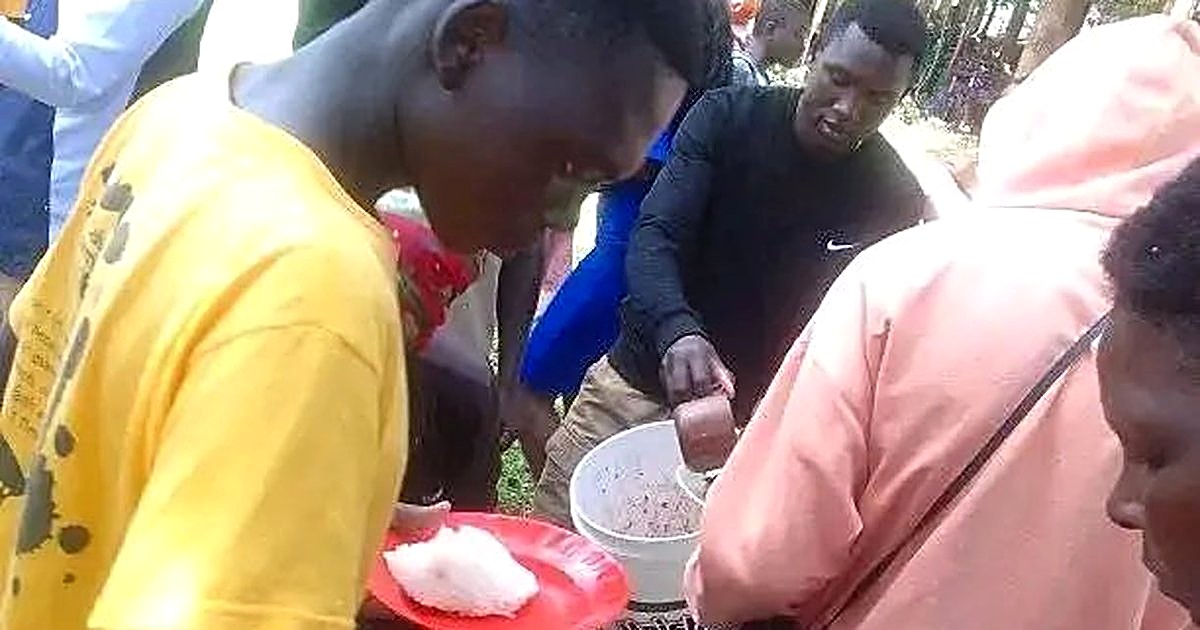
On feeding days the CBO's table is set for the community — children, elders, and any neighbor in a hard season. It is the oldest work we do and the simplest statement of who we are: nobody in Nyangweso should face hunger alone while we have anything to share.
Our hygiene program keeps girls in class every day of the month. The math is small and the fruit is large: about KES 130 (one US dollar) covers a girl for a month; about $12 covers her year. The standing campaign — Keep Her in School, goal KES 130,000 — funds roughly 1,000 packets: a full year for about 80 girls. Every distribution is reported with photographs and figures, and both giving doors (M-Changa and GoGetFunding) stand in the CBO's own name.
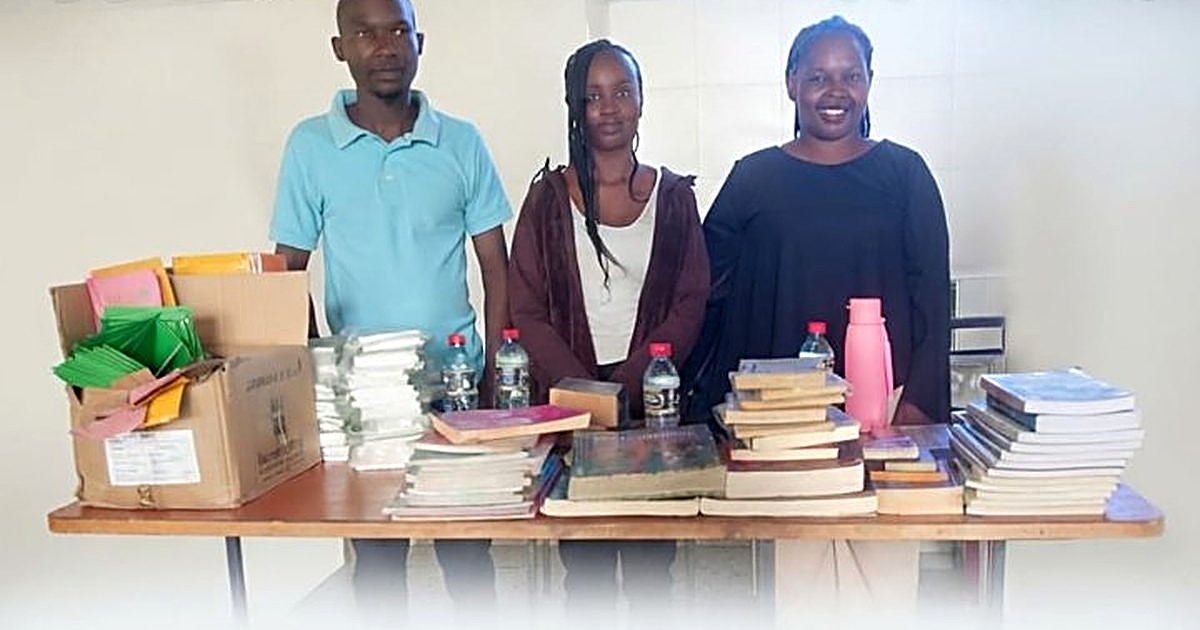
We put books into children's hands and stand behind our local schools however we can — because a community that reads is a community that rises.
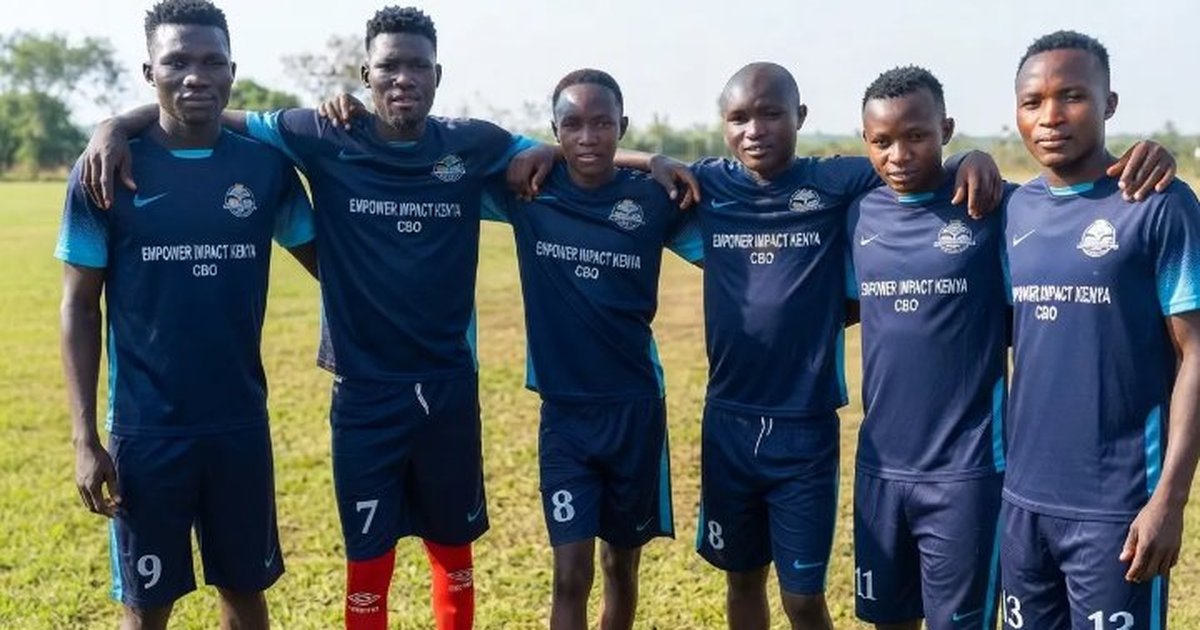
Three football teams, weekly gathering, mentors walking beside the young, service weeks in the community, and the standards of Chapter Seven. Our Youth Day gatherings have become some of the happiest days on the Nyangweso calendar — and a living picture of this booklet's message: watch a whole community turn out for its young people, and try to say unity does not work.
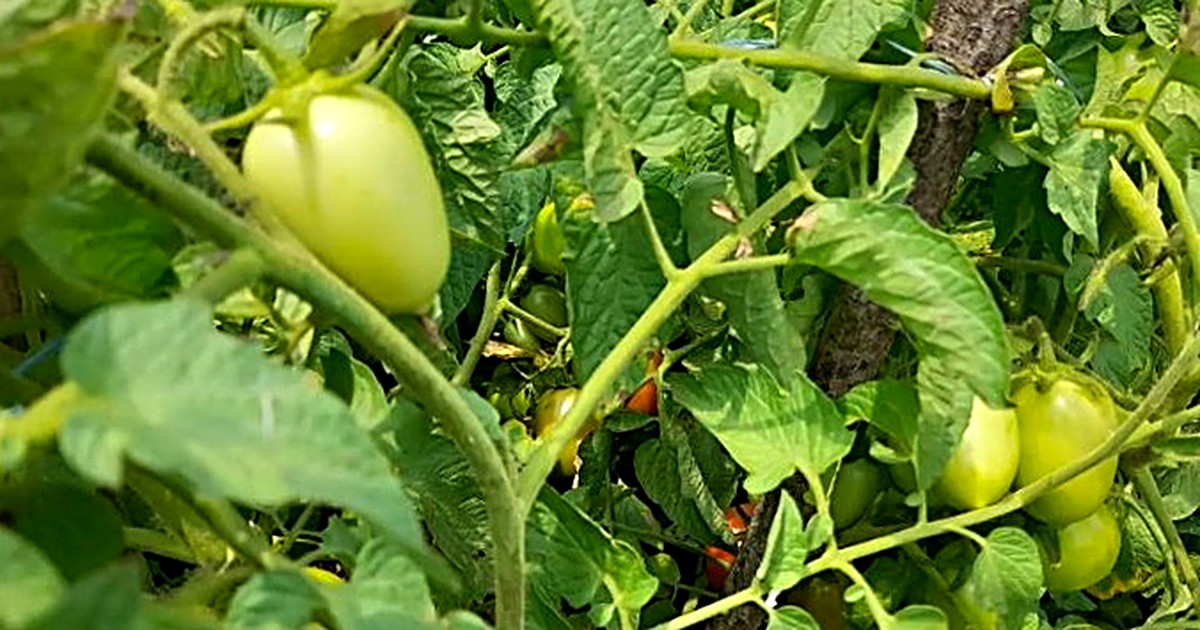
Our farming work — tomatoes and the community's crops — feeds families, teaches the youth the dignity of the land, and links Arms with the businesses of the next chapter: manure from the poultry enriches the fields; the fields, in time, will stand beside the fish pond. At Empower, nothing is wasted and everything is connected.
Here is the engine room. Our businesses exist for one reason: so that the helping never has to stop. Profit is not our master — it is our servant, and it works for the community.
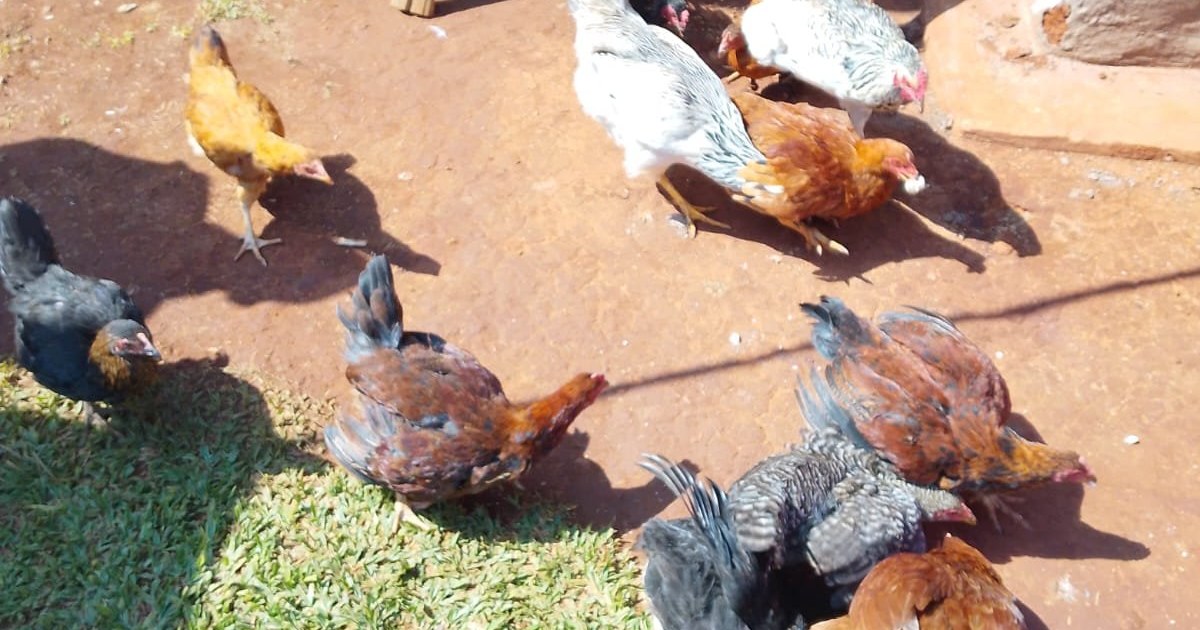
Business income becomes the CBO's regular budget: feed and medicine for the flock first, then the programs — feeding days, girls' supplies, youth activities — and, shilling by shilling, the furnishing of the Community Center. Along the way the businesses create what donations never can: jobs and skills at home. Youth apprentices learn the hatchery, the mill and the books. Farmers buy local feed and local chicks instead of sending money away. The businesses help the community three times over — in what they sell, in what they fund, and in whom they train.
We build in order, and we have published the order to ourselves: (1) electricity — poles and hookup, January 2027; (2) the coop expansion, chick pen and hatchery built; (3) power to the hatchery and the mill installed; (4) producing and selling at full strength; (5) prove it — records in order, banking proper, the community visibly benefiting, documented with reports and pictures. Only then does the next family of businesses — the fish pond — get built. Ambition with a gate on it is called discipline, and discipline is what makes a small CBO trustworthy with other people's money.
On our land at Nyangweso, a center is rising — first in plans and preparation, and from January 2027 in walls. Its construction funding is already covered. What remains is the inside — and that is where this community, and its friends, come in.
Everyone. That is the short and true answer. The child who needs a quiet room and a book. The young person learning a trade. The women's group meeting under a roof instead of a tree. The farmer at a training. The elder with a story to tell the youth. The visitor who wants to see what love and unity built. The Center is the community's own living room — owned by the CBO, open to the people, and kept to the same standard as everything else we run: clean, accountable, and busy with good.
As this booklet is written, the walls are not yet up — construction begins in January 2027, and the money for the building itself is covered. The open need is the inside: furniture, classroom items, kitchen equipment and sewing machines. Partners who sponsor the inside are not funding a dream; they are furnishing a building whose rise they can watch, month by month, in our dated news and photographs.
When the chicken businesses are running and proven — and not one day before our own gate allows — the next family rises beside the water: a half-acre fish pond and the small businesses that live from it.
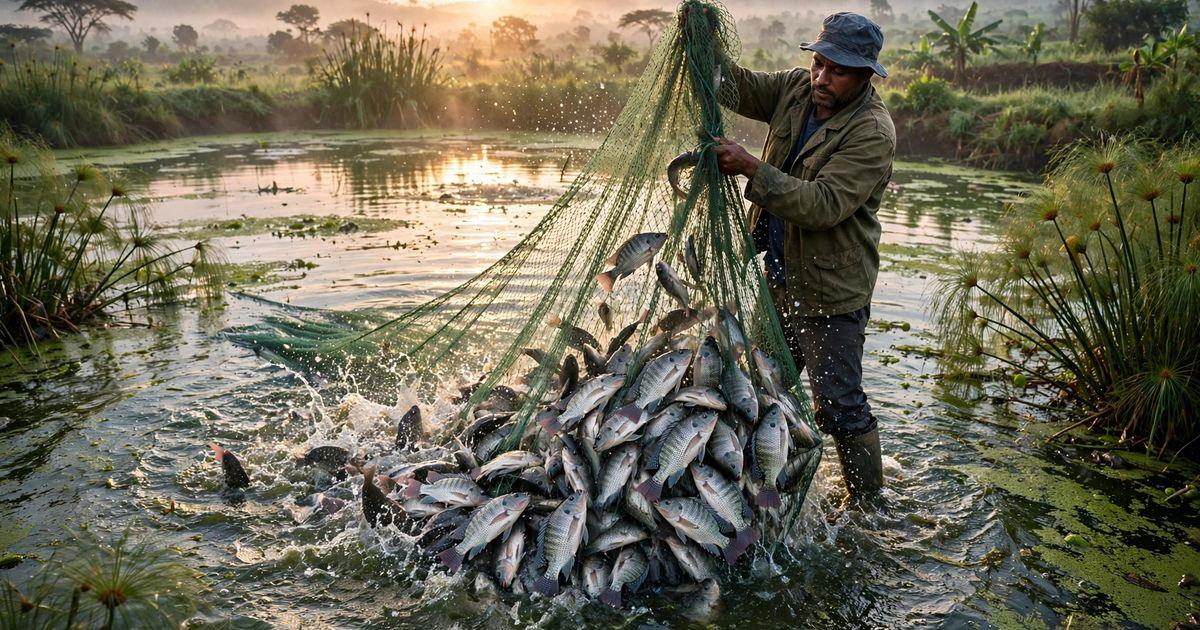
And beyond the pond, in their seasons: the sewing work growing inside the Community Center, the training work widening to more farmers and more youth. We do not chase everything at once. We finish one thing well, prove it, and then — together — build the next.
This is the chapter the whole booklet exists for. Take it to anyone who says people cannot come together anymore — that communities cannot build their own future, that real change must be imported with big money and outside experts. Then show them Nyangweso. We are the counter-argument, written in chickens and classrooms, in signed policies and kept promises — and the best chapters are still ahead of us.
In roughly a year, the people of one village — with friends who believed in them — went from a certificate and a conviction to a governed, working organization: policies signed, a flock past one hundred, a campaign funding girls' dignity, youth standing guard for their sisters, a website telling the truth monthly, and a Community Center funded to rise. No step of that was done by one person. Every step was harambee — hands together.
Understand what you are looking at: this was not done by the wealthy, the famous or the well-connected. It was done by farmers and pastors, by schoolboys with a football and schoolgirls with a future, by four officers who signed their names to a standard and then kept it. If it can happen in Nyangweso — and it is happening, in the open, where anyone can come and see — it can happen anywhere people decide that unity is not a slogan but a working method. That is why this booklet is shareable. Take it. Show it. And if it stirs something in you, the next chapter is yours.
Visitors are welcome at Nyangweso by arrangement — write to us, and come and walk the land, meet the officers and the youth, and see the flock, the fields and the Center site with your own eyes. We would rather be visited than believed.
| Route | Details |
|---|---|
| Online | empowercbo.com — give by PayPal through our website |
| M-Pesa | +254 701 917972 (Empower Impact Kenya CBO) |
| Bank transfer | Equity Bank (Kenya) · Account name: Empower Impact Kenya Cbo · Account: 0980184797432 · SWIFT: EQBLKENA |
| Keep Her in School campaign | M-Changa: mchanga.africa/fundraiser/154038 · GoGetFunding: search "Keep her in school — Pads for girls in Homabay, Kenya" |
Empower Impact Kenya CBO · Nyangweso, Village Kawath Gone Town · P.O. Box 506, Homabay, Kenya 40300
info@empowercbo.com · +254 701 917972 · empowercbo.com
Asante sana — thank you for reading our story.
Now come and be part of its next chapter.
— The Officers and People of Empower Impact Kenya CBO —
